Session 1 · The REKS Coaching Framework · From managing for results to coaching for long-term impact.
Why we're here
A flipped classroom built to beat the forgetting curve.
Frameworks, not lecturesInteractive, every sessionYou do the practice
→Create a coaching culture, not a results-chasing one
→Move from spot coaching to deliberate skill development
→See measurable improvement in your team's performance
Watch first
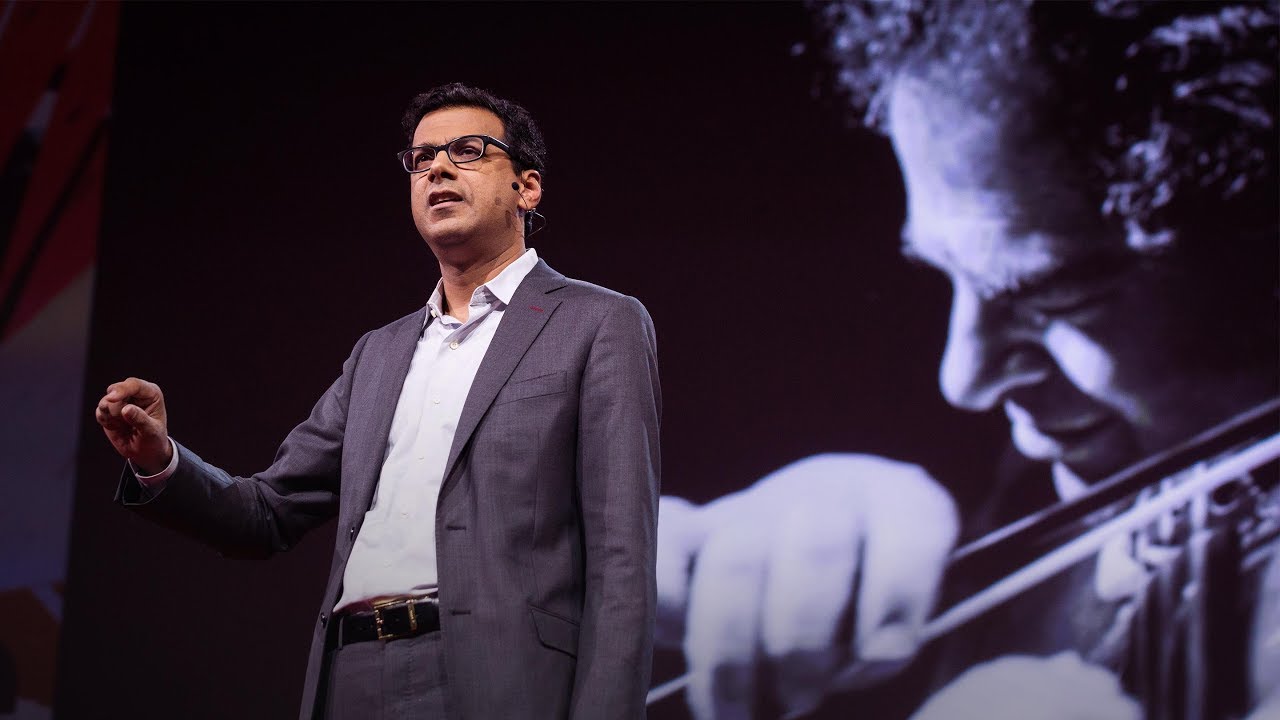
Why does everyone who's great still have a coach?
Atul Gawande, surgeon and writer, TED2017. Click the poster to play on YouTube. Swap for your own clip anytime.
First, let's activate what you already know.
No wrong answers.
Module 1
The Pillars of Coaching
For years, sales management chased better results with the same tactics, money, fear, deal reviews. There's a better way.
From
Manager
→
To
Coach
A manager inspects results. A coach builds the skills that produce them, on purpose, every week.
"Coaching is no longer a specialty. You cannot be a good manager without being a good coach."
Bill Campbell · the "Trillion Dollar Coach" to Apple & Google
The system
Six pillars hold up a coaching culture.
01
Goals
Where each person is actually going.
02
REKS
The framework for every performance conversation.
03
10:20:70
Most learning happens on the job.
04
Directions
Clear, specific, one thing at a time.
05
Cadence
Coaching that repeats, not one-offs.
06
Accountability
Owned by the rep, supported by you.
More coaching. Higher win rate.
Sources: Revegy sales-coaching analysis (win rate 43% to 56% as weekly coaching rises) · CSO Insights / Korn Ferry 2024 Sales Enablement Study, which found consistent coaching drove +19% win rates and +21% quota attainment over the study average.
"Coaching done well may be the most effective intervention designed for human performance."
Atul Gawande · surgeon and writer
Exercise · Debrief
What stood out about managing vs coaching?
Share with the room. Which pillar hits closest to a challenge you have right now?
The framework
REKS
A coaching framework to help every direct report succeed in their role, by separating four very different things.
Four things we usually blur together
Results · Effort · Knowledge · Skills
Results
The specific, measurable outcome.
Effort
The measurable activities that lead to it.
Knowledge
What they can read, be taught, reference.
Skills
What they must practice to execute.
Most coaching fails because we treat a skill gap like a knowledge gap, and just re-explain it.
The analogy that makes it click
Getting stronger at the gym
RESULT
+5kg muscle
The specific outcome you want, not "get fit."
EFFORT
4 sessions / wk
The activity you fully control.
KNOWLEDGE
Deadlift form
You can read it in a book today.
SKILL
Lifting it well
Only reps under load build this.
You can know perfect deadlift form and still get hurt. Knowing isn't doing. Same with your reps on a discovery call.
REKS
Results, specifically.
"More" is not a number. The key to the R is finding the result behind the result.
OK →"We need more pipeline."
OK →"Expand more accounts."
Great →"You are 84% to quota with 1 month to go, on track to exceed target by 120% based on your pipeline coverage."
REKS
Effort, 100% in their control.
What are the activities that, if executed, should lead to a better result? Calls, emails, account research, discovery questions, demos, proposals.
REKS
Knowledge, can be taught & referenced.
Sales process, product, persona profiles, the compelling events that trigger a purchase. The more you make it referenceable, the better your team gets.
REKS
Skills, must be practiced.
The core skills to execute on the knowledge: run a discovery call, handle an objection, give a compelling demo, trade in the close. A skill by definition can and should be practiced.
The distinction that changes your coaching
REKS
Knowledge
What does my team need to KNOW to increase their effort or their end result?
REKS
Skills
What is their level of EXECUTION of what they know? A skill can, and should, be practiced.
Ask first: is this a know problem or a do problem? You coach them completely differently.
The AI Coaching Edge
"The beautiful thing about AI is it can translate it into a shared common language. Your input can be whatever you're comfortable with. The output is a consistent approach."
For your coaching: REKS + SPICED become the language AI speaks. Claude can score a rep's call against SPICED, so you and the rep debrief the same evidence, not opinions. In a 52,000-opportunity study, teams that coached to impact lifted ACV from +18% to +58%.
Map REKS to a real direct report.
Pick one person. What result are you trying to elicit? Then work backwards through E, K, S.
Watch
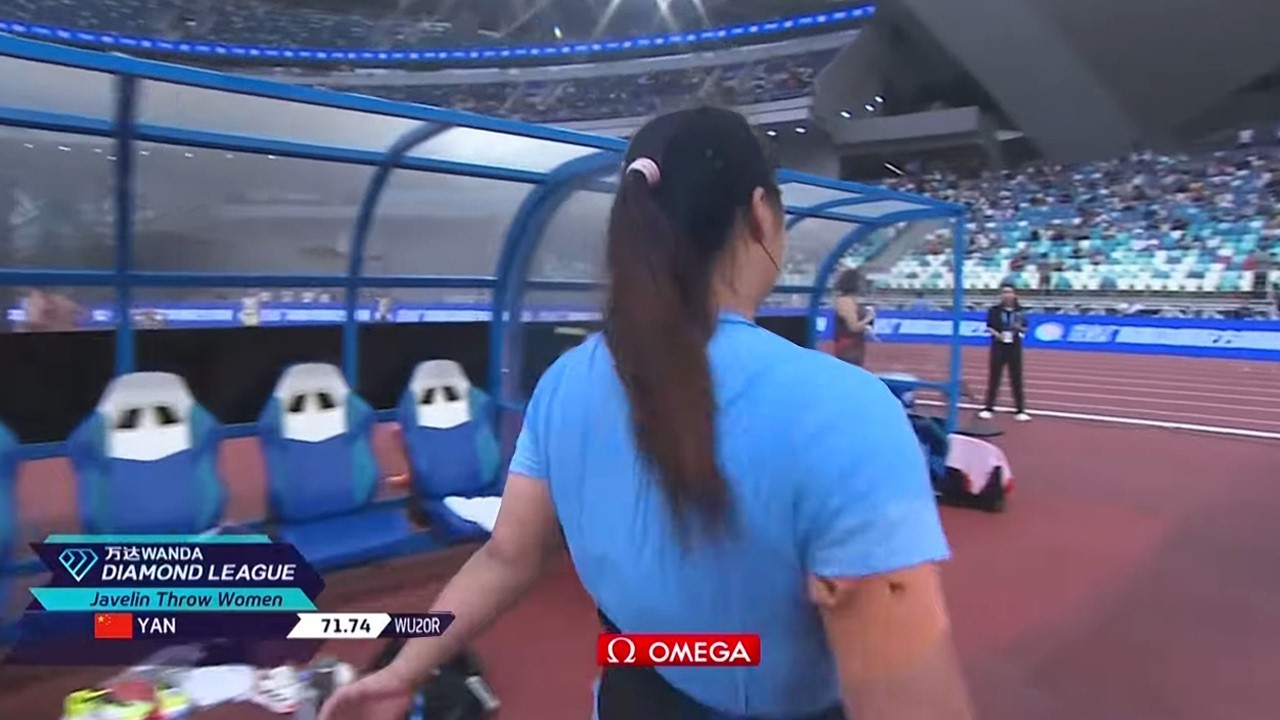
The impact of coaching.
A Chinese javelin athlete threw one of the farthest marks in history, then stopped. Click to play on YouTube. Swap for your own clip anytime.
Module 2
Roleplay is just practice.
70% of learning happens on the job. Roleplay lets your team get the reps with you, instead of with your customers.
Where learning actually comes from
10%formal training
20%from others / coaching
70%on the job
If 70% is reps, the only question is: where do they get safe reps?
Structure a roleplay your team actually wants to do
The SSSS roleplay
S
Skill
The one skill being practiced. Just one.
S
Scene
The context. Who is in the room, the deal stage, what just happened.
S
Scenario
The specific situation that plays out, the curveball to handle.
S
Start
How you kick it off. The opening line or trigger that begins the rep.
The AI Coaching Edge
"When you can fail in front of an AI, it's different than failing in front of your team or your manager."
For your coaching: AI roleplay (e.g. Hyperbound) removes the power dynamic and the fear of being judged. It's a warm-up before a real call, something we could never do in sales before. As one leader put it after trying it: "it shows you how little you bring to a call. You've got to have data behind you."
Exercise · pairs
Design one SSSS roleplay your team would say yes to.
Pick a real skill gap. Write the Skill, the Scene, the Scenario, and the Start.
Tier 2 · the advanced move
Break a big skill into micro-skills.
You can't coach "get better at demos." You can coach "ask one more layered question before you show a feature."
The AI Coaching Edge
"Use AI to analyze what people are doing in front of customers, to really see what the patterns are."
For your coaching: AI picks up patterns across call reviews (where discovery stalls, which objection keeps winning) and points you at the exact micro-skill to extract and drill. The pattern is already sitting in your call data, AI just surfaces it. Find the gap with data, coach it with a roleplay.
Exercise · Debrief
Which micro-skill surprised you?
How does breaking the skill down change the way you'd coach it this week?
Triangle reflection
What are the 3 points that stood out today?
Then: what's one thing you'll apply this week?
Before we meet again
Your three reps for the week.
1Record an SSSS roleplay setup with your team.
2Apply the REKS framework to one team member.
3Complete the pre-work for Session 2.
Next time: coaching cadences and high-impact coaching.
Winning by Design™
Thank you.
Please take 60 seconds for the survey, your feedback shapes the next session. [ facilitator: drop your survey link in the chat ]
Winning by Design™ · Proprietary & Confidential, Do not distribute
1 / 29
Facilitator Script00:00Mirroring to a projector? Press P for Speaker View so the room only sees the slide.
Speaker View, opens notes + timer in a separate window for a mirrored room
O
Overview, jump to any slide (when running long)
T
Start / show the session timer
B
Black the screen for an open discussion
F
Fullscreen
?
This help
Projecting to a room? Set your display to Extend (not Mirror), put the slides on the projector, and press P here to keep your script + timer on your laptop only.